top of page
Pinellas County Aquatic Preserve
Designated in 1972,
Pinellas County Aquatic Preserve (PCAP) was established to prevent the historically negative events in Boca Ciega Bay from being repeated elsewhere.
Due to the broad expanse of the aquatic preserves, almost all habitats and levels of impact are present. PCAP includes the western portion of Tampa Bay (including Safety Harbor and Old Tampa Bay), Clearwater Bay, St. Joseph Sound, oceanic waters westward to the county line, as well as certain fresh waters such as Lake Tarpon and portions of Lake Seminole.
The preserves include nearshore habitats along sandy beaches, mangrove-dominated shorelines, and intracoastal islands. Submerged habitats include oyster bars, seagrass beds, coral communities and spring-fed caves. Approximately one-third of Florida's coral species can be found in Pinellas County Aquatic Preserve.
The footprint of Pinellas County Aquatic Preserve overlaps Boca Ciega Bay Aquatic Preserve. These two aquatic preserves can be referred to collectively as the Pinellas County Aquatic Preserves.
Abundant islands,
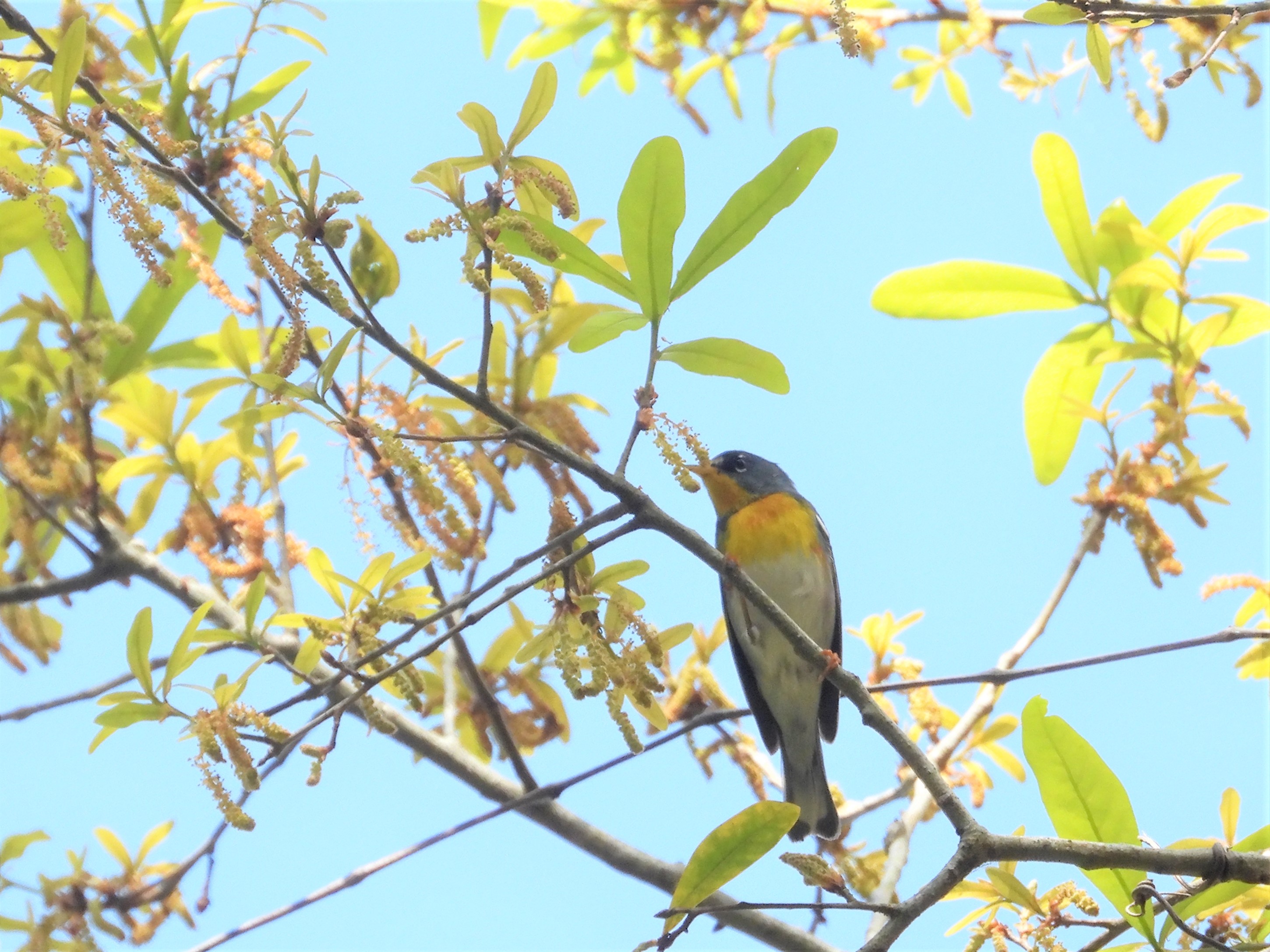
including those formed by dredge material, are part of the preserve and are considered crucial habitat for colonial waterbirds and migrating neo-tropical songbirds.
Some of these islands are open for recreational activities, like camping, while others are protected habitat for wildlife and not open to the public.
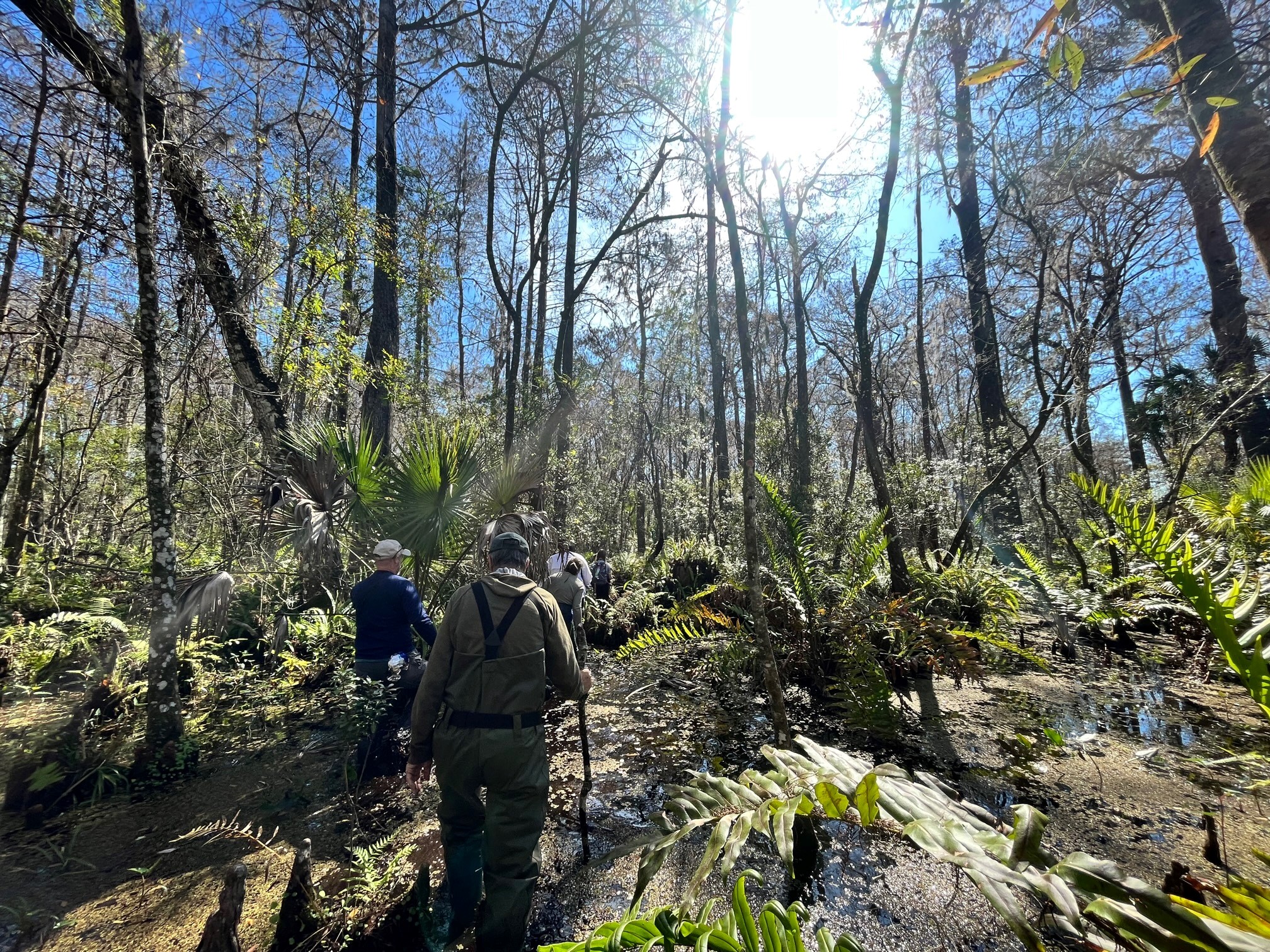
A freshwater swamp
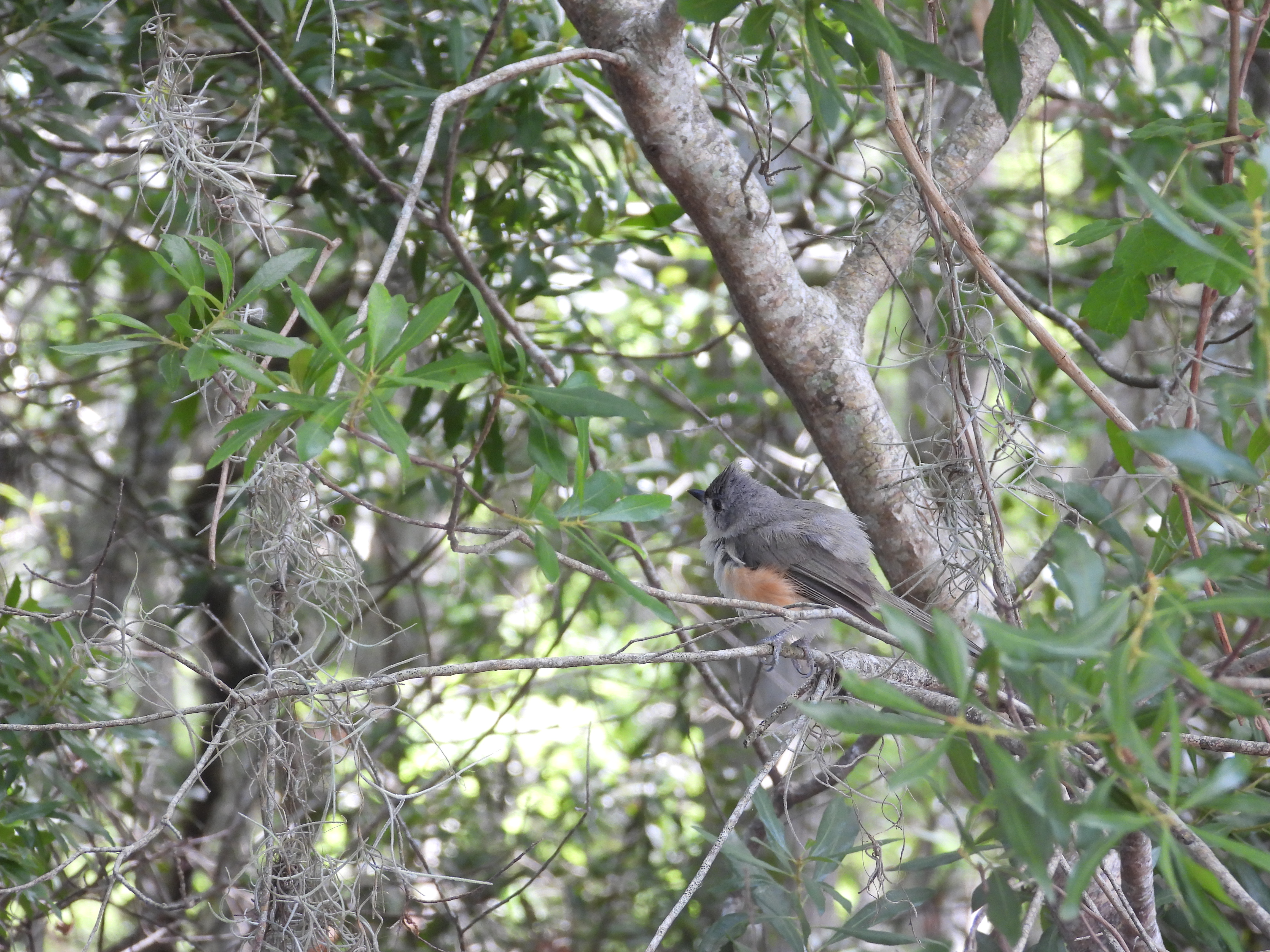
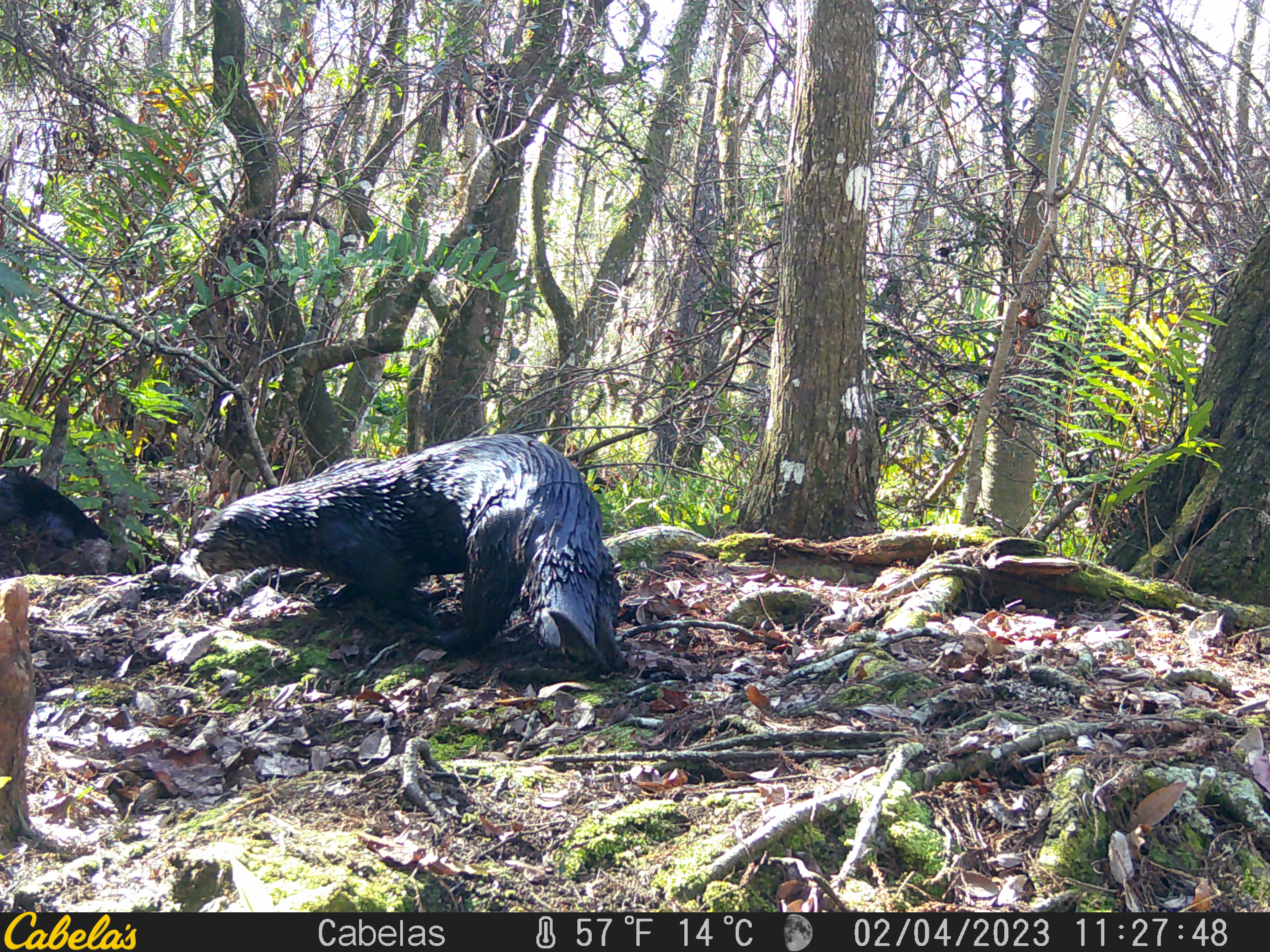
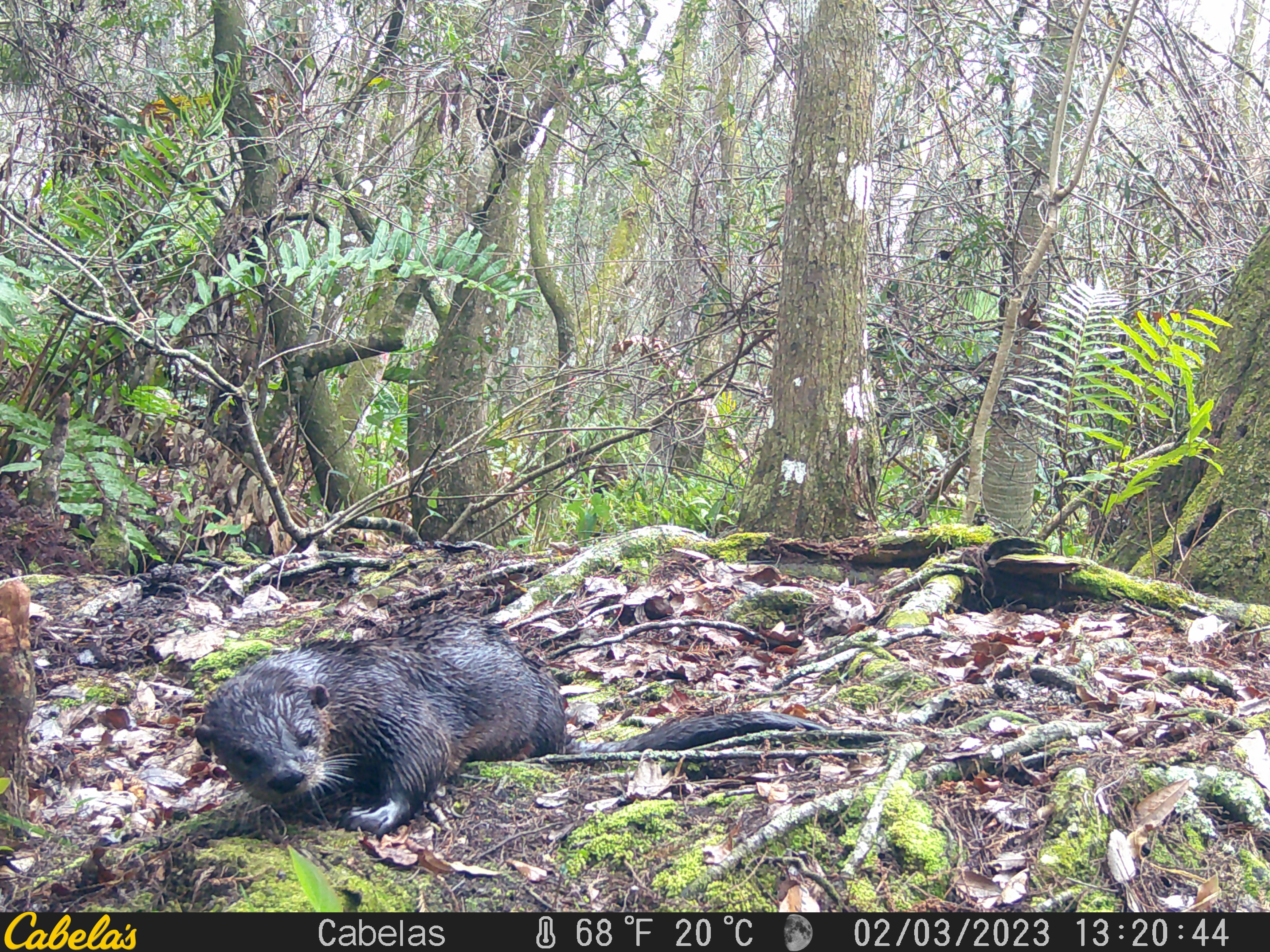
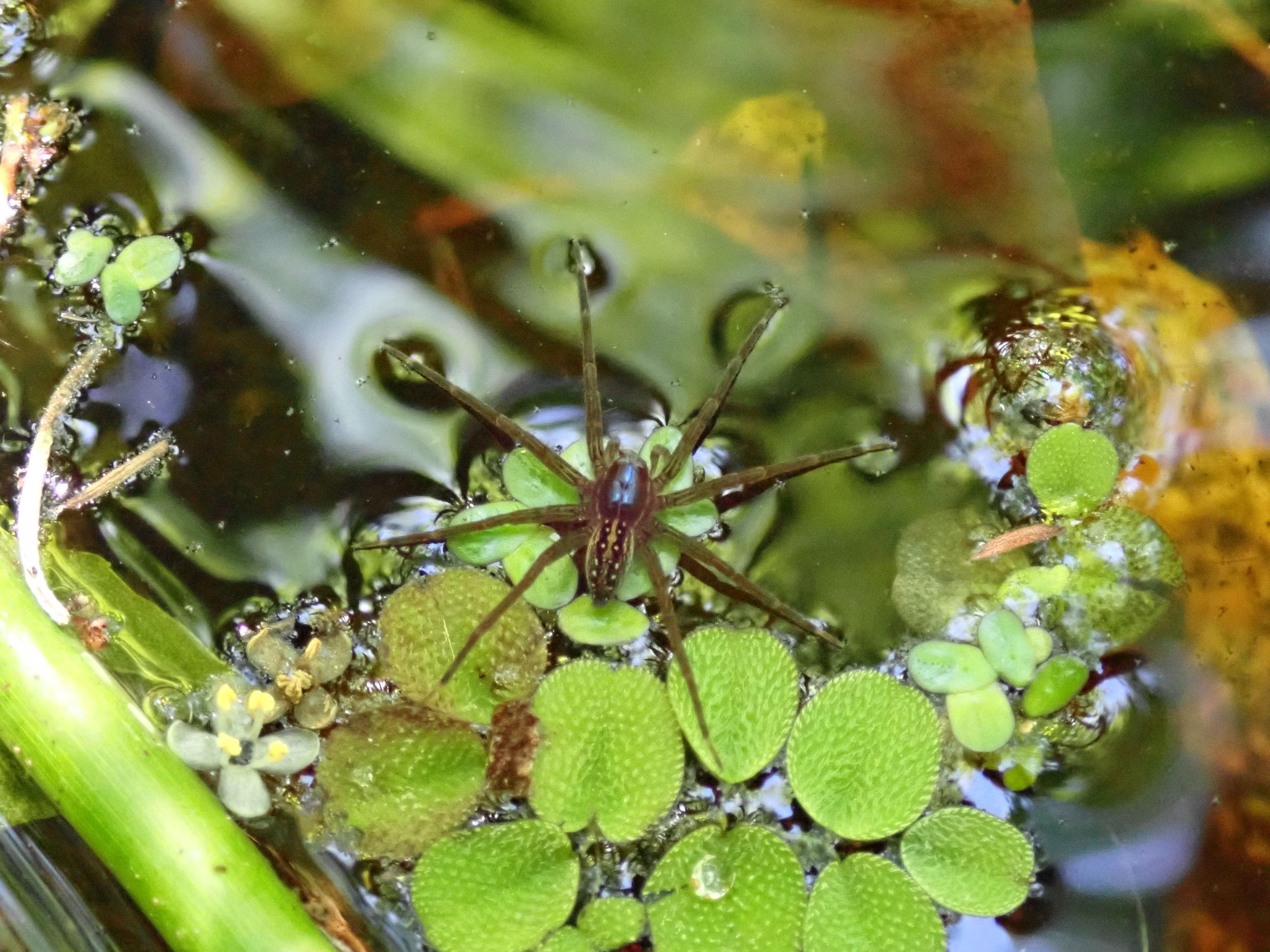
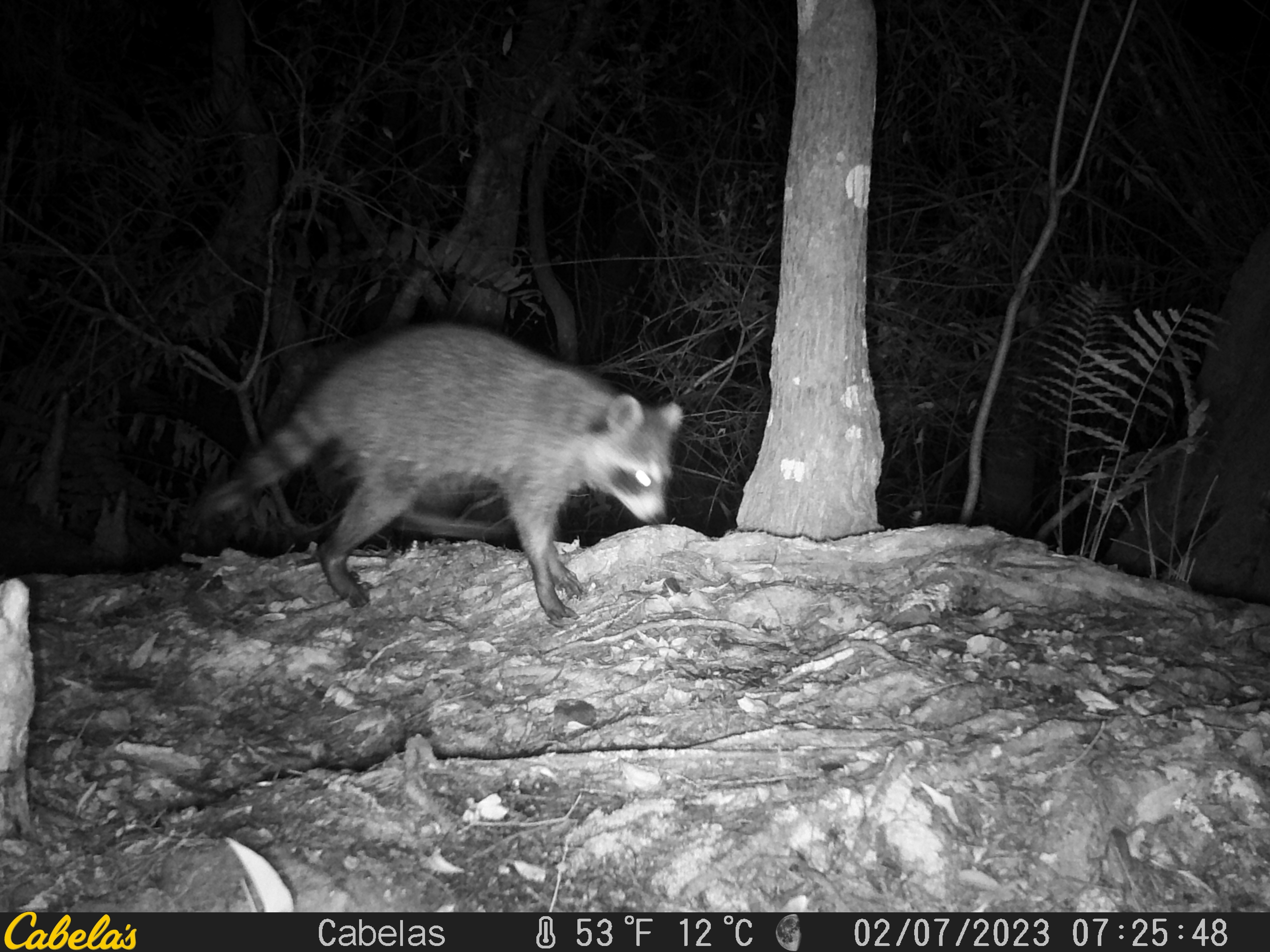
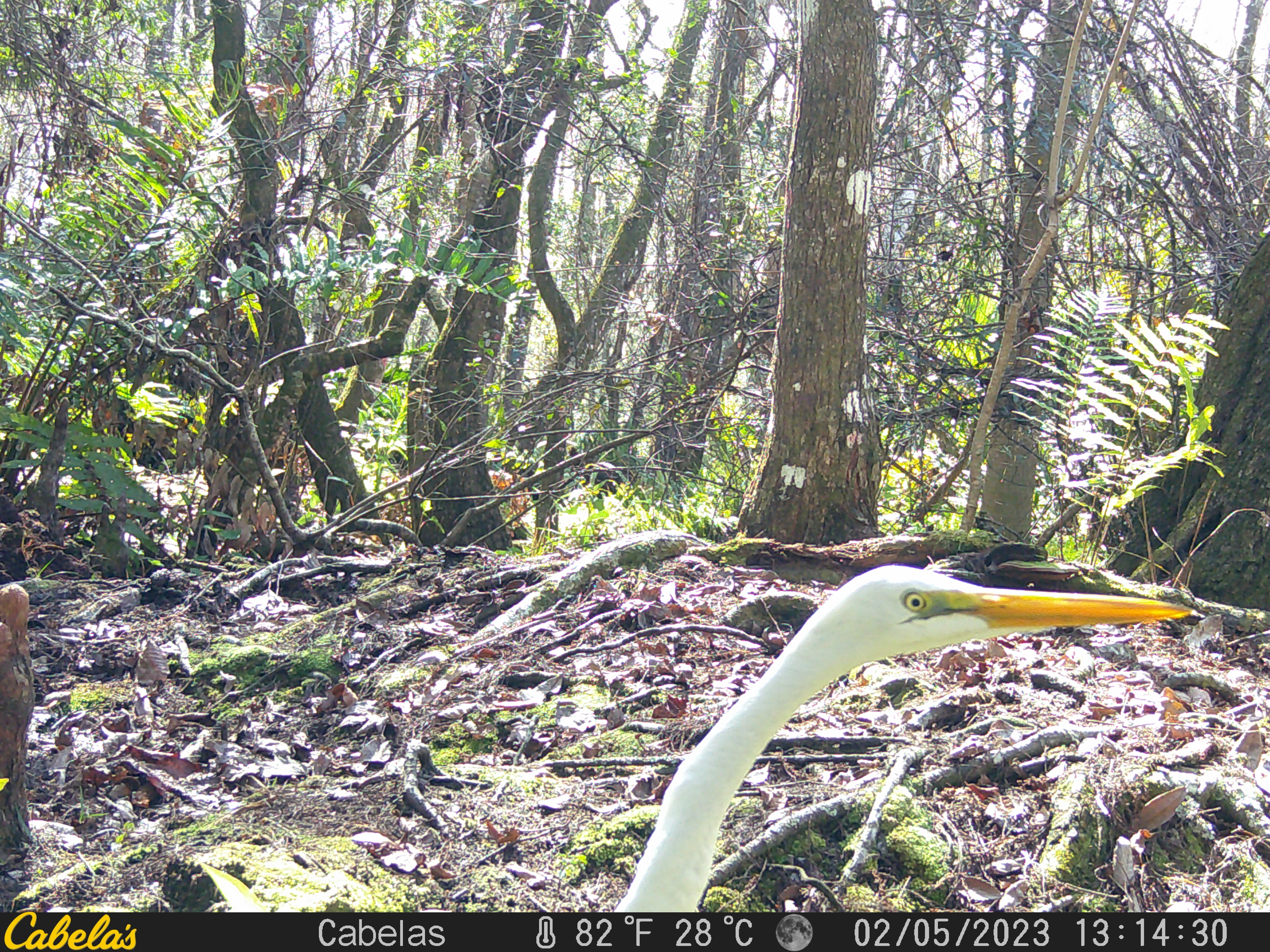
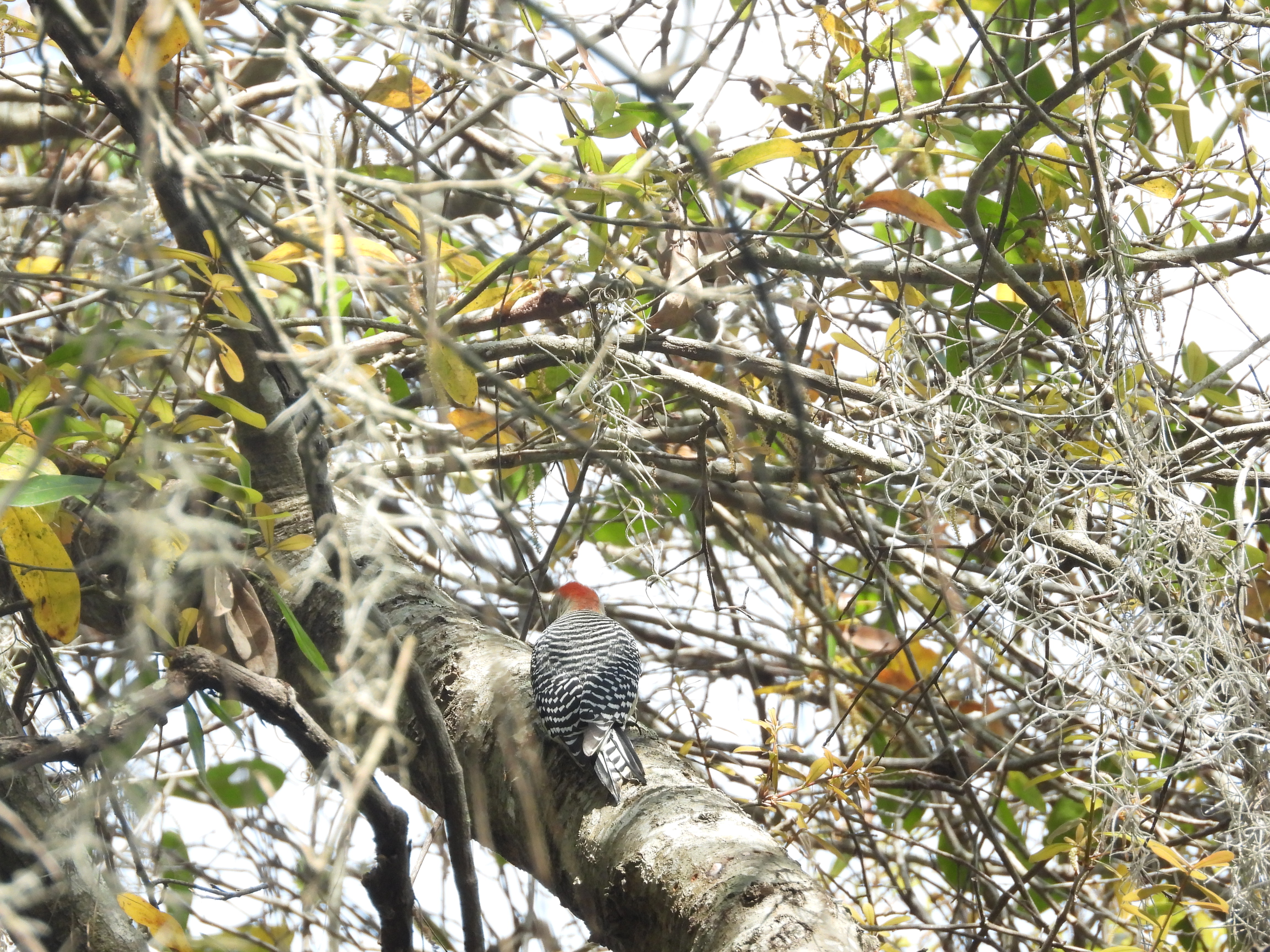
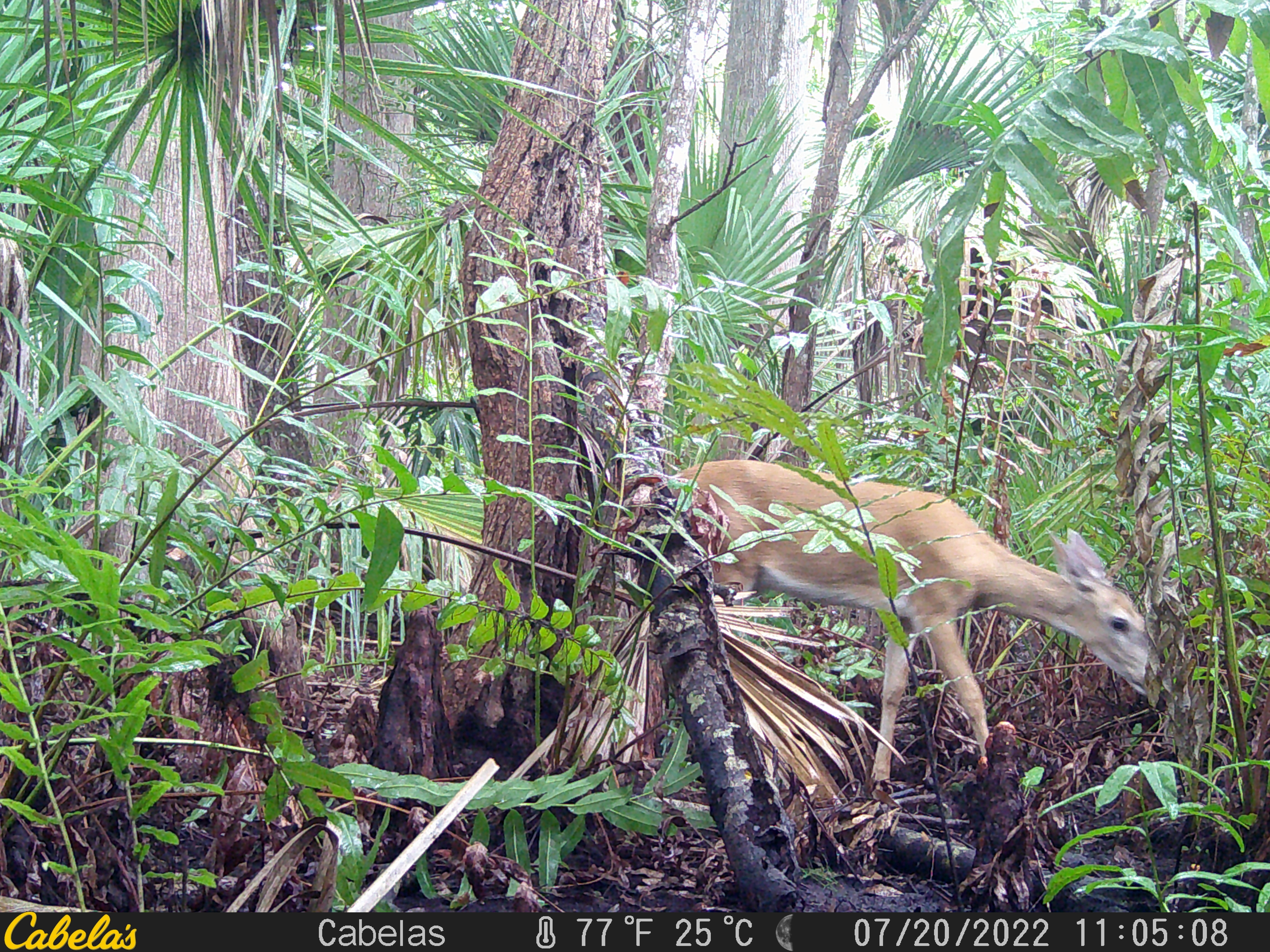
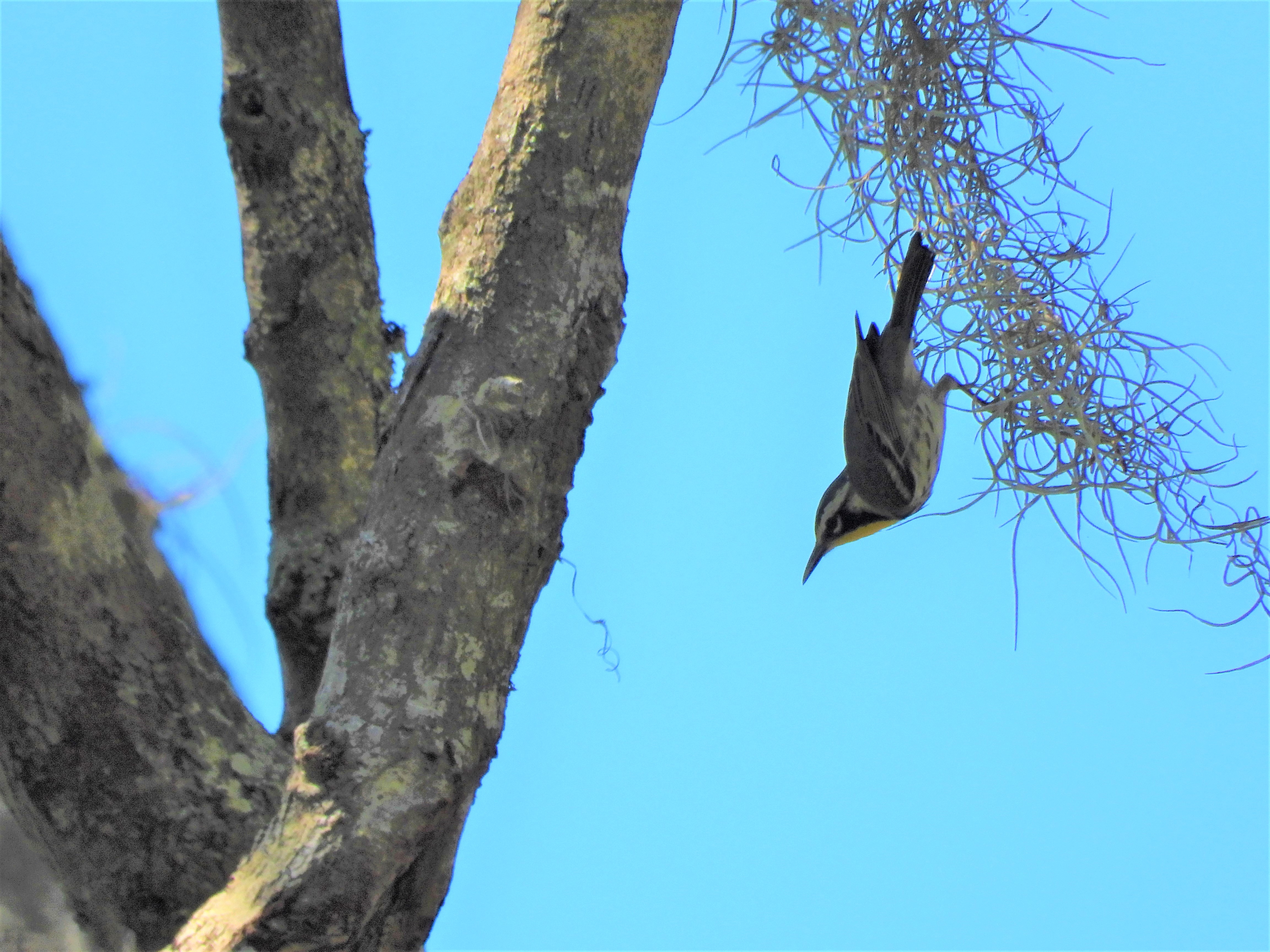
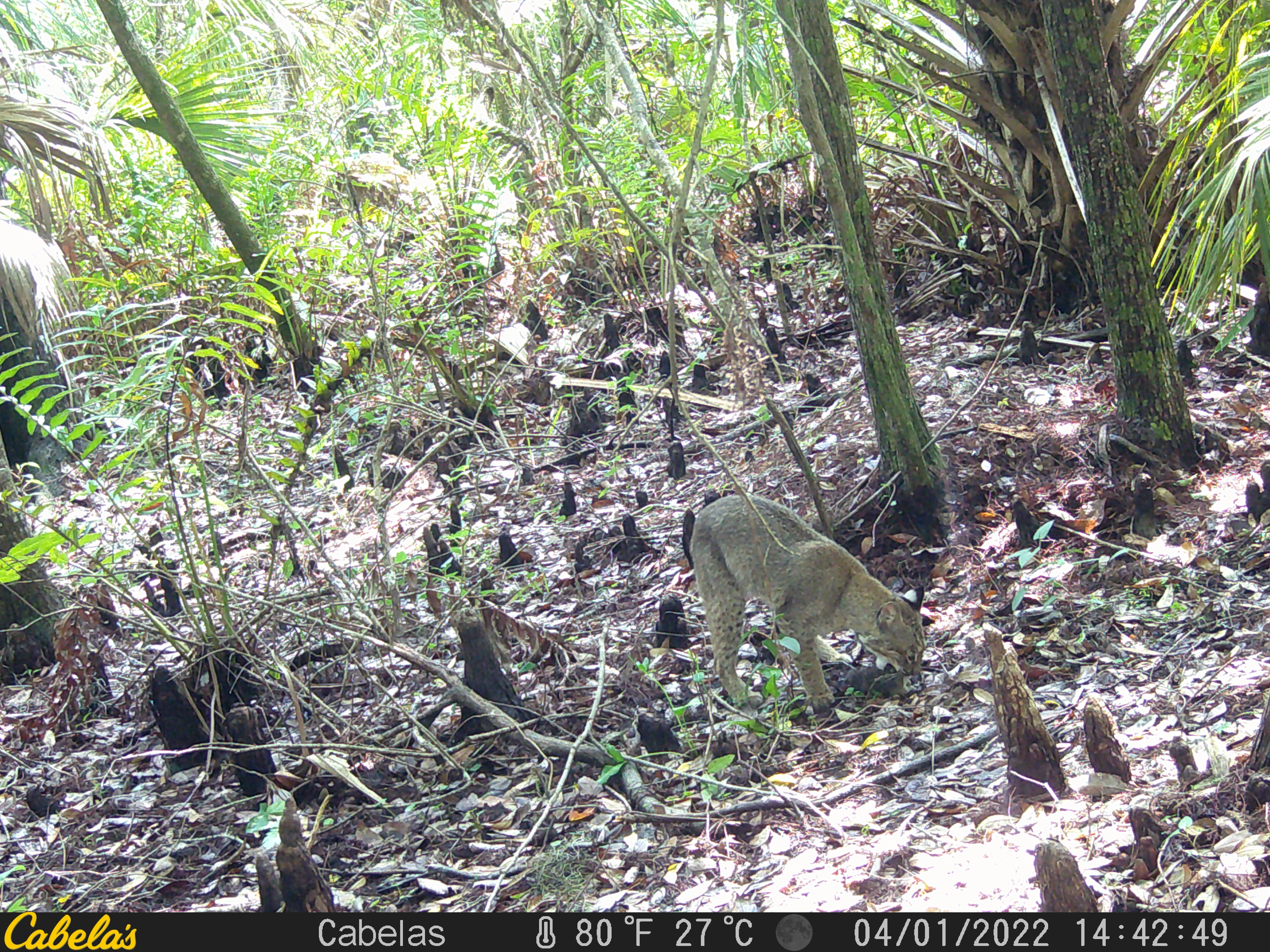
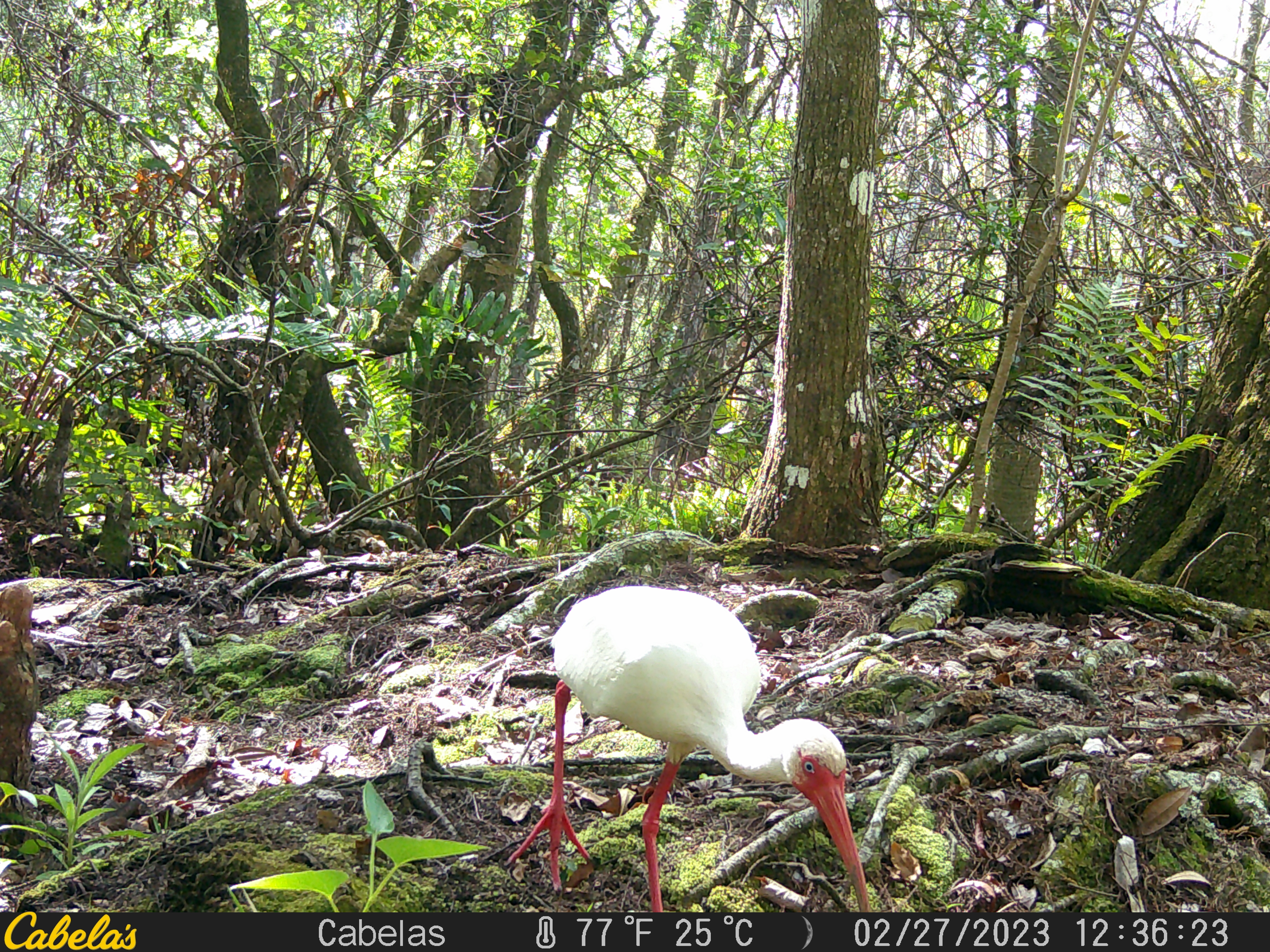
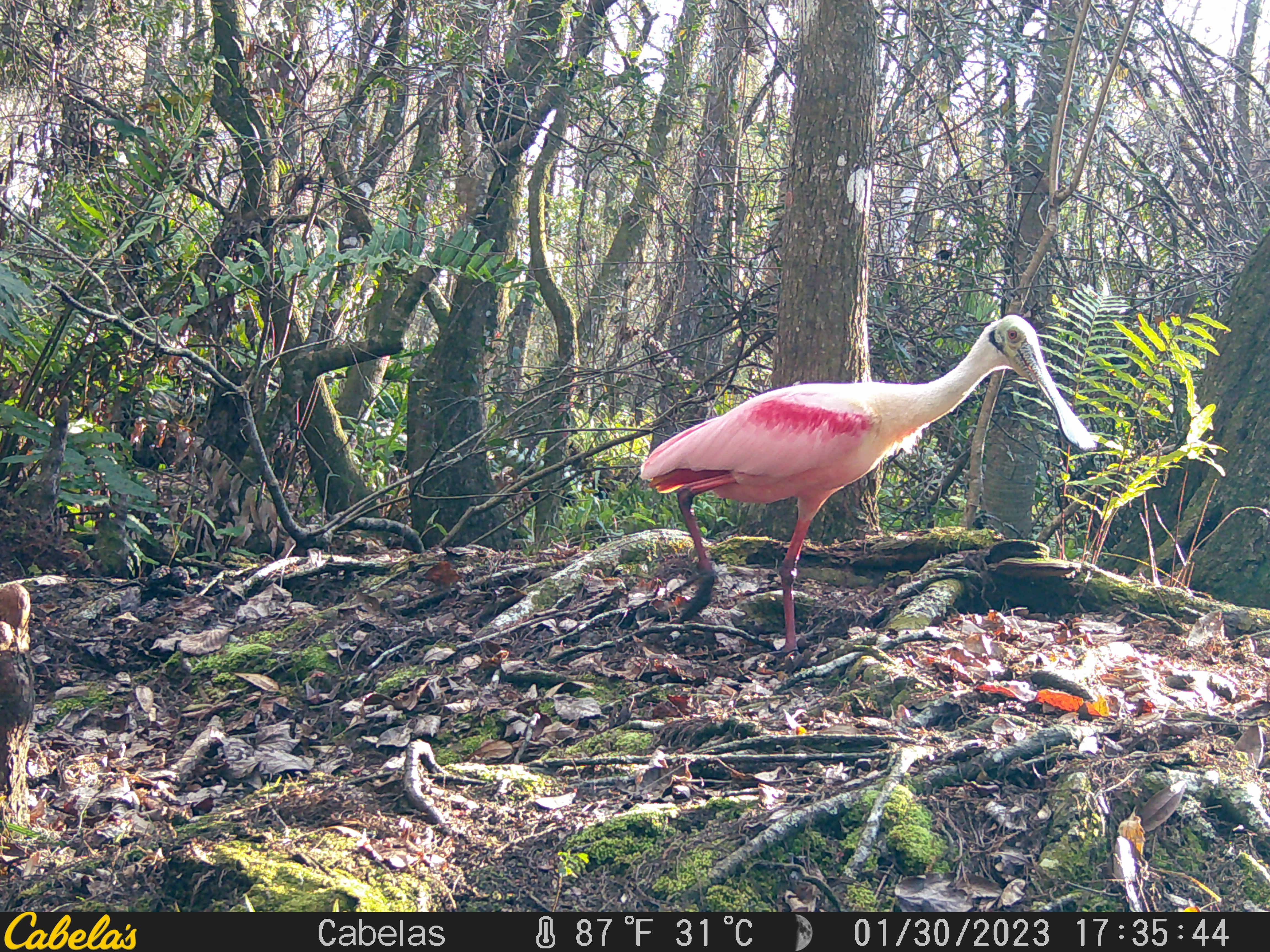
is one of the most unique habitats managed by Tampa Bay Aquatic Preserves. Located north of John Chesnut Sr. Park and fed by Lake Tarpon, this parcel is a window into what parts of Pinellas County might have looked like before heavy development. TBAP staff and volunteers conduct bird surveys, place wildlife cameras, and monitor and remove invasive plant species.
Indentifying what species are utilizing this swamp habitat could help us understand the links between inland freshwater and offshore marine ecosystems.




bottom of page